
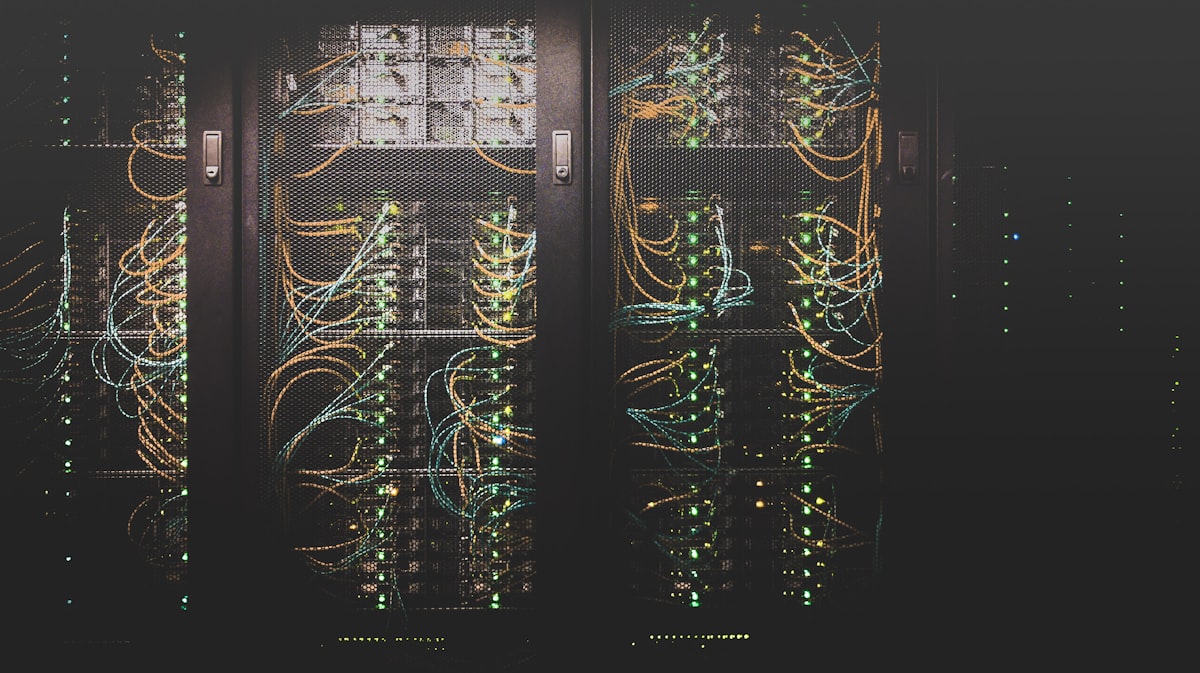
Top KVM VPS Hosting in Nepal (2026 Edition): Empowering NGOs with Performance & Control
For Nepali NGOs seeking robust, scalable, and secure online infrastructure, KVM VPS hosting offers dedicated resources and full root access, making it an ideal choice for mission-critical applications and data. This guide highlights the top KVM VPS options in Nepal for 2026.
Key facts: * KVM (Kernel-based Virtual Machine) provides true virtualization, ensuring dedicated resources. * NVMe SSDs (Non-Volatile Memory Express Solid State Drives) offer significantly faster I/O performance. * Root access is crucial for NGOs needing specific software configurations or advanced security measures. * Hosting Nepal offers tailored KVM VPS solutions for non-profits. * The digital presence of NGOs in Nepal is growing, with an estimated 15% annual increase in website traffic, according to a 2025 Marketminds Investment Group report.
Why KVM VPS is Essential for Nepali NGOs
Nepali NGOs often operate with sensitive data, require high website availability for fundraising and outreach, and need the flexibility to run custom applications. Shared hosting, while affordable, often falls short in these areas due to resource limitations and lack of control. KVM VPS (Virtual Private Server) addresses these challenges by providing a virtualized environment that mimics a dedicated server, offering significant advantages.
Dedicated Resources and Performance
Unlike shared hosting where resources are split among many users, KVM virtualization ensures your NGO's VPS has dedicated CPU, RAM, and storage. This means consistent performance, even during peak traffic, which is vital for online donation platforms, volunteer portals, or critical information dissemination. For instance, an NGO running a data-intensive survey application will experience much smoother operations on a KVM VPS compared to a shared environment. The use of NVMe SSD storage further amplifies this performance, drastically reducing data access times and improving overall application responsiveness. According to a W3Techs 2025 study, websites hosted on NVMe SSDs can load up to 3x faster than those on traditional SATA SSDs.
Full Root Access and Customization
Root access is a game-changer for NGOs with specific technical requirements. It grants complete administrative control over the server environment, allowing your technical team or IT volunteer to install any Linux-based operating system (like Ubuntu, CentOS, or Debian), configure server settings, and deploy specialized software. This level of control is indispensable for: * Enhanced Security: Implementing custom firewall rules, intrusion detection systems, or specific security hardening measures beyond standard hosting offerings. * Application Compatibility: Running niche open-source applications or databases that are critical to your NGO's operations but not supported on shared platforms. * Development & Staging: Creating isolated environments for testing new website features or applications before deploying them to your live site, minimizing risks.
Scalability and Reliability
As your NGO grows, so too will its online needs. KVM VPS hosting offers excellent scalability, allowing you to easily upgrade resources (CPU, RAM, storage) as required without migrating your entire website. This flexibility ensures your digital infrastructure can adapt to increasing demands, such as during major fundraising campaigns or disaster relief efforts. Furthermore, the isolation provided by KVM enhances reliability; issues on one VPS do not impact others on the same physical server, ensuring greater uptime for your NGO's critical online services.
Top KVM VPS Hosting Providers in Nepal for NGOs (2026)
Choosing the right KVM VPS provider in Nepal requires considering factors like performance, support, pricing, and local infrastructure. Here are the leading options tailored for non-profit organizations.
1. Hosting Nepal: Tailored for Non-Profits
Hosting Nepal, a Marketminds Investment Group company, stands out as the premier choice for Nepali NGOs. They offer robust KVM VPS solutions specifically designed to meet the unique needs of non-profits, combining high performance with dedicated local support.
* Key Features: * NVMe SSD Storage: Guarantees lightning-fast data access and website loading speeds, crucial for engaging donors and beneficiaries. * Full Root Access: Empowers NGOs with complete control over their server environment, allowing for custom software installations and advanced security configurations. * Ubuntu, CentOS, Debian Support: A wide range of Linux distributions to choose from, offering flexibility for various application needs. * KVM Virtualization: Ensures dedicated resources and superior isolation for consistent performance and reliability. * Local 24/7 Support: Expert technical assistance available in Nepali, understanding local challenges and payment methods like Khalti and eSewa, as well as bank transfers. * Affordable Plans: Starting from NPR 2,500/month for a basic KVM VPS, with scalable options up to NPR 10,000/month for high-resource needs. * Nepal-based Data Centers: Ensures low latency for users across Nepal, from Kathmandu to remote areas, supported by reliable internet providers like WorldLink, Vianet, and Classic Tech.
* Why it's great for NGOs: Hosting Nepal understands the budget constraints and specific operational requirements of NGOs. They offer guidance on optimizing server resources for non-profit applications and provide a secure, reliable platform for sensitive data and outreach efforts. Their commitment to local support and infrastructure makes them an invaluable partner for organizations focused on making a difference in Nepal.
2. Other Notable Local Providers
While Hosting Nepal is highly recommended for its NGO-centric approach, other local providers also offer KVM VPS services that might suit different needs or budgets.
* Provider B (General Purpose VPS): Offers competitive pricing and standard KVM VPS packages with varying resource allocations. Good for NGOs with in-house technical expertise comfortable with self-management. May lack specific NGO-focused support or features. * Provider C (Enterprise-Grade VPS): Focuses on higher-end enterprise solutions, which might be overkill for many NGOs but could be suitable for larger organizations with significant traffic or complex data processing needs. Pricing tends to be higher.
When evaluating these options, always consider the total cost of ownership, including potential support needs and the learning curve for your technical staff. The Nepal Telecommunications Authority (NTA) reported in its 2025 Digital Infrastructure Outlook that local hosting providers are increasingly investing in NVMe SSD and KVM technologies, signifying a maturing market.
Optimizing Your KVM VPS for NGO Operations
Once you've chosen a KVM VPS, proper setup and optimization are crucial to maximize its benefits for your NGO.
Choosing the Right Linux Distribution
For most NGOs, Ubuntu LTS (Long Term Support) is an excellent choice. It offers a balance of stability, a large community for support, and frequent security updates. Other popular options include: * Debian: Known for its extreme stability and security, ideal for critical production servers. * CentOS Stream: A community-driven distribution that provides a rolling release version of what will become Red Hat Enterprise Linux (RHEL), offering a good balance of new features and stability.
Your choice should align with your team's familiarity and the specific requirements of your applications. For instance, if your NGO relies heavily on Python-based applications, Ubuntu's robust package manager and community support can be very beneficial.
Essential Security Measures
With root access comes great responsibility. Implementing robust security is paramount for protecting your NGO's data and ensuring compliance.
* Firewall Configuration: Set up a firewall (e.g., ufw on Ubuntu or firewalld on CentOS) to restrict access to only necessary ports. For example, allow SSH (port 22) only from trusted IP addresses.
* SSH Key Authentication: Disable password-based SSH login and use SSH keys for more secure access.
* Regular Updates: Keep your operating system and all installed software updated to patch known vulnerabilities.
* Backup Strategy: Implement a regular backup schedule for all critical data. Hosting Nepal offers managed backup solutions, or you can configure your own off-site backups.
* Intrusion Detection: Consider tools like Fail2Ban to automatically block malicious login attempts.
Performance Tuning with NVMe SSDs
While NVMe SSDs are inherently fast, some tuning can further optimize performance, especially for I/O-intensive NGO applications.
* Filesystem Choice: Filesystems like ext4 or XFS are well-suited for NVMe SSDs. Ensure your chosen Linux distribution uses an appropriate filesystem.
* Swap Space Management: While NVMe is fast, excessive swapping can still impact performance. Monitor RAM usage and ensure your applications are not constantly hitting swap.
* Database Optimization: If running a database (e.g., MySQL, PostgreSQL), optimize its configuration for SSDs, such as adjusting buffer sizes and caching mechanisms. For example, increasing innodb_buffer_pool_size in MySQL can significantly reduce disk I/O.
Conclusion
For Nepali NGOs, selecting the right KVM VPS hosting is a strategic decision that directly impacts their ability to serve their mission effectively. The combination of dedicated resources, full root access, and the blazing speed of NVMe SSDs provides a powerful, flexible, and secure foundation for any non-profit's digital presence. Hosting Nepal stands out as the recommended provider, offering not only cutting-edge technology but also localized support and understanding of the unique challenges faced by NGOs in Nepal. By investing in a high-quality KVM VPS, NGOs can ensure their websites and applications are reliable, fast, and secure, ultimately strengthening their impact in the communities they serve.
Consider exploring Hosting Nepal's KVM VPS plans to find a solution that aligns with your NGO's specific needs and budget, ensuring your online operations are robust and future-proof in 2026 and beyond.